Botulinum toxin has evolved far beyond the treatment of dynamic lines. Explore its expanding clinical applications, examine the evidence behind emerging indications, and gain practical insights into how these treatments can be introduced safely and responsibly into clinical practice. With plenty of opportunity for interactive discussion, bring your questions and challenge conventional thinking (faculty to be confirmed).
Ready to move beyond the fundamentals? This advanced session explores the art and science of off-label botulinum toxin treatments, from full-face and neck approaches to targeting the smallest facial muscles. Examine the critical role of anatomy, diffusion, dilution and dose selection in achieving safe, predictable and natural-looking outcomes.
Featuring invited experts Dr Michael Kane, Dr Tapan Patel, Dr Priya Verma and Dr Simon Ravichandran (faculty to be confirmed).
Skin is at the heart of almost every aesthetic treatment, yet it remains one of the most complex areas of practice. Join Anna Baker, Dr Lauren Jamieson and an expert panel as they answer the questions every clinician has been asking—from barrier function and inflammation to pigmentation, ageing and beyond (faculty to be confirmed).
Join world-leading experts as they explore the rapidly evolving science of regeneration, longevity and cellular health. From the latest research to practical treatment strategies, this agenda is designed to help clinicians stay at the forefront of modern aesthetic medicine. Featuring keynote presentations from Professor Anton Enright, alongside expert faculty including Professor Mark Birch-Makin, Professor Syed Haq, Dr Barbara Kubicka, Professor George Titovets, and Ian Vitek (faculty to be confirmed).
What does exceptional full-face rejuvenation look like in 2027? Join internationally respected clinicians as they explore how aesthetic practice has evolved—from treating isolated features to delivering harmonious, patient-centred outcomes. Discover how anatomy, artistry and evidence combine to shape modern full-face assessment and treatment planning.
Featuring invited faculty Dr David Eccleston, Dr Michael Kane, and Julie Scott (faculty to be confirmed).
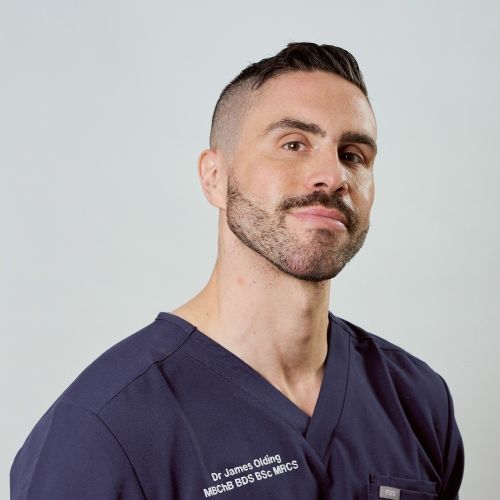
Where anatomy meets clinical practice. Chaired by Julie Scott with a panel led by Mr James Olding and an internationally recognised faculty, this unique live session combines cadaveric dissection with real-time demonstration of surface anatomy on a live model, bridging the gap between anatomical understanding and practical application. An unmissable opportunity to enhance safety, precision and confidence in facial aesthetics (faculty to be confirmed).
Ageing is far more than the appearance of lines and wrinkles. Explore the biological processes that drive skin ageing—from cellular function and inflammation to collagen decline and environmental influences—and discover how a deeper understanding of skin biology can transform your clinical decision-making.
Invited speakers: Professor Chris Griffiths, Dr Tamara Griffiths, Dr Tanja Philips (faculty to be confirmed).
Every experienced clinician has faced challenges—they're an inevitable part of practice. Chaired by Professor Brian Franks, this refreshingly honest panel brings together leading experts to share real clinical complications, the lessons they learned, and how those experiences have shaped their practice. A unique opportunity to learn from those who've been there (faculty to be confirmed).
Because outstanding clinicians don't just master procedures—they understand people, invest in themselves and build practices that stand the test of time.
This session presents a great opportunity to reinforce one of Wigmore Presents' defining strengths. Many conferences focus almost exclusively on products and procedures. This session signals that Wigmore Presents is equally committed to developing well-rounded clinicians—professionals who excel not only in technical expertise, but also in patient care, leadership, decision-making and sustainable practice. That broader perspective is something that really sets the meeting apart.